Introduction
Epoxy transformer bushings are critical components used to safely conduct electrical current through the grounded tank of a distribution transformer while maintaining reliable insulation between the conductor and the grounded enclosure. Unlike traditional porcelain bushings, epoxy resin bushings are cast as a single solid piece, offering superior mechanical toughness, reduced weight, and simplified installation. This article outlines the fundamental structure, key material features, and primary applications of epoxy transformer bushings in power distribution systems.

Basic Structure
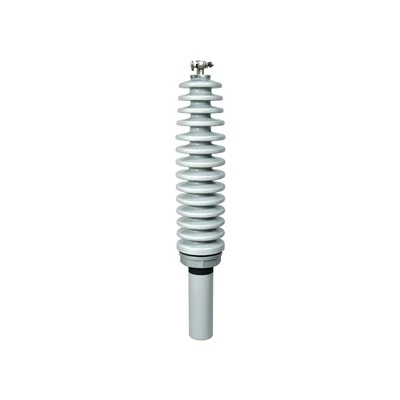
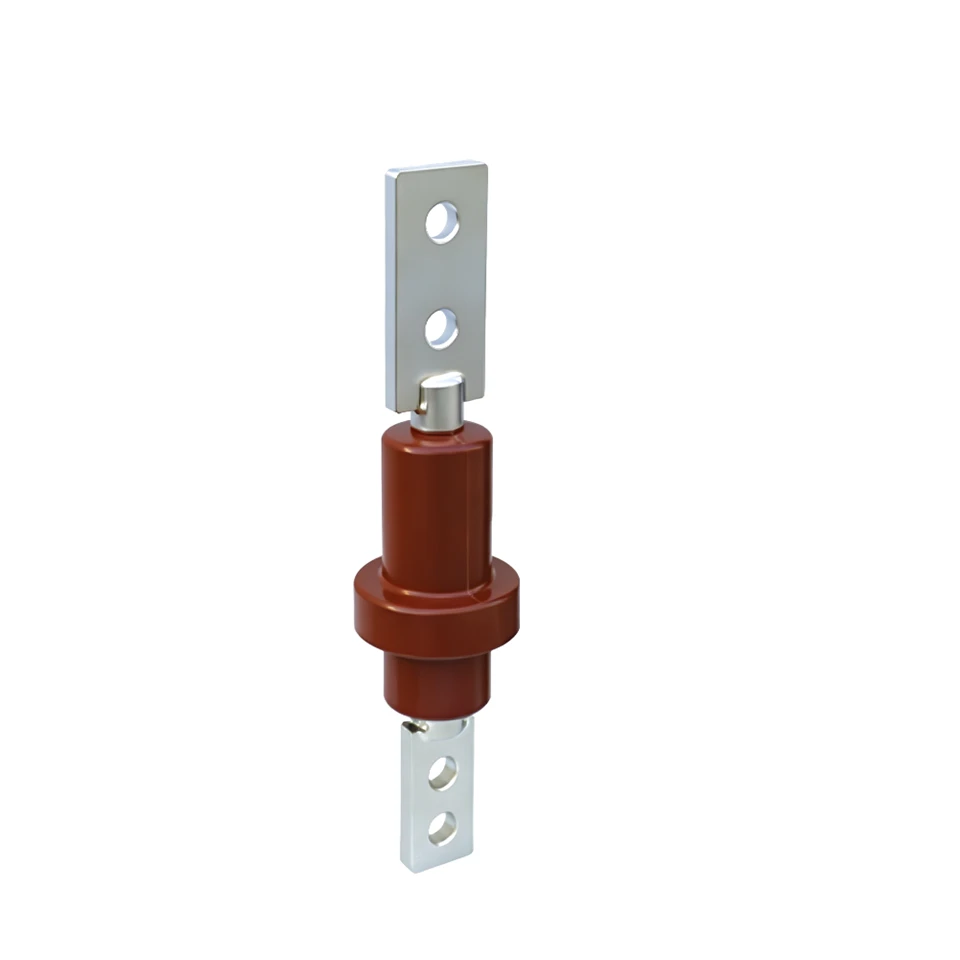
An epoxy transformer bushing typically consists of four essential elements: the conductor, the epoxy insulating body, the flange, and the mounting interface. The conductor is usually a copper or aluminum stud that serves as the current-carrying path. It is integrally cast within the epoxy body, eliminating the need for separate sealing gaskets that are common in porcelain designs. The epoxy body provides both electrical insulation and physical protection. Its shed or ribbed profile increases the creepage distance along the surface, which is particularly important for outdoor or polluted environments. The flange is a metallic ring embedded around the central portion of the bushing. It serves as the mechanical interface for mounting the bushing to the transformer tank and also provides a path for grounding the bushing's metallic hardware if required. The mounting arrangement varies by design: some bushings are secured through the transformer sidewall using an external clamp and a stainless steel ring, tightened to a specified torque (for example, 80–100 in-lbs for certain low-voltage high-current designs). Others may use a threaded section or a bolted flange connection, depending on the transformer type and voltage class.
Epoxy Insulation Material
The epoxy resin system used in these bushings is not pure resin alone. It is a carefully formulated composite containing fillers that enhance electrical, thermal, and mechanical performance. A representative formulation includes a pourable epoxy resin system with a fused quartz filler (approximately 50% by weight) and alumina trihydrate filler (approximately 20–25% by weight). The fused quartz improves arc and track resistance, while alumina trihydrate contributes to weather resistance and flame retardancy. The particle size distribution is controlled to ensure the resin remains pourable during casting and that the cured body has a coefficient of thermal expansion closely matching that of the metallic conductor, reducing internal stress during thermal cycling. The result is a rigid, void-free insulating body with high dielectric strength, excellent corona inception voltage, and long-term resistance to environmental degradation.
Key Features
One-piece cast construction :The bushing body is cast directly onto the conductor, creating a void-free, integrated unit. This eliminates assembly gaps and potential leakage paths, resulting in a more reliable seal than assembled porcelain bushings.
Lightweight and impact-resistant:Epoxy resin is significantly lighter than porcelain and less prone to breakage during shipping, handling, and installation. This reduces logistics costs and breakage losses on site.
Excellent dielectric performance :The void-free cast structure provides high dielectric strength and low partial discharge levels, ensuring reliable operation even under demanding voltage stresses.
Design flexibility:Epoxy casting accommodates complex geometries, including built-in current transformers, capacitive grading layers, or integral plug-in interfaces for separable connectors (such as EN 50181 compliance).
Applications in Distribution Transformers
Epoxy transformer bushings are widely used in distribution transformers for both low-voltage and medium-voltage connections. On the low-voltage side, they provide the current path from the transformer windings to the external distribution cables or busbars, often carrying high currents (up to several thousand amperes in some designs). On the medium-voltage side (commonly 15 kV to 35 kV class), epoxy bushings serve as the interface between the transformer and underground or overhead distribution networks. Deadbreak apparatus bushings, for example, are designed for sidewall mounting on pad-mounted transformers and are compatible with separable elbow connectors, enabling safe and convenient connection and disconnection under de-energized conditions. The compact size of epoxy bushings also supports the trend toward smaller, more space-efficient transformer designs, particularly in urban and underground installations where footprint is limited. In oil-filled transformers, the epoxy body must be compatible with insulating oil, and the design must account for oil expansion and thermal cycling over the transformer's service life.
Summary
Epoxy transformer bushings represent a mature and widely adopted alternative to traditional porcelain bushings. Their one-piece cast construction integrates the conductor, insulating body, and mounting flange into a robust, compact unit. The filled epoxy system delivers the dielectric strength, thermal matching, and environmental durability required for distribution transformer service. From low-voltage high-current terminations to medium-voltage deadbreak interfaces, epoxy bushings support reliable and space-efficient transformer connections in modern power distribution networks.