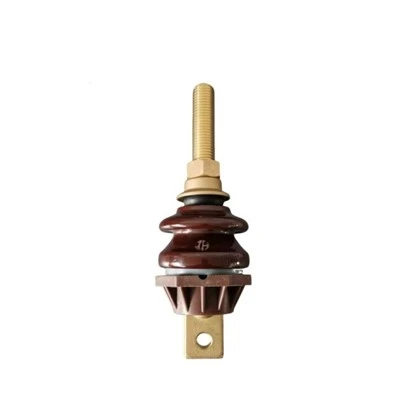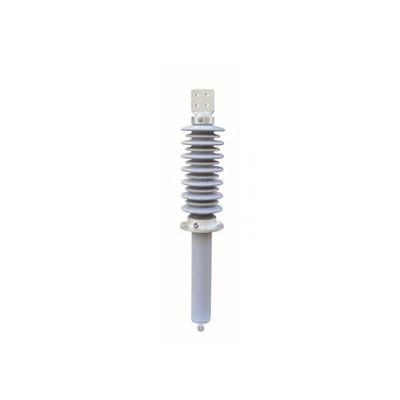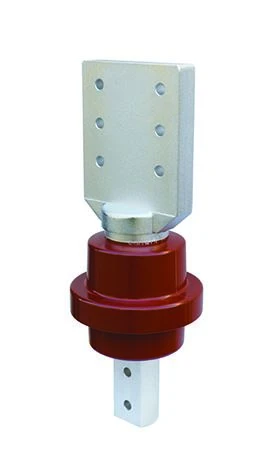

Hebei Anmei Electrical Equipment Co., Ltd. is one of the most reliable manufacturers and suppliers of low voltage bushing transformer in China, also supports customized service. If you're going to buy high quality low voltage bushing transformer made in China, welcome to get quotation from our factory.
Low Voltage Bushing Transformer is a critical component used in liquid-filled distribution transformers, pad-mounted transformers, and switchgear applications, providing electrical insulation and mechanical support for low-voltage conductors as they pass through the transformer tank or enclosure. As a core interface between the transformer's internal windings and the external power grid, the low voltage bushing must withstand significant electrical stresses and thermal cycling over decades of service. The evolution of low voltage bushing technology has been driven by the growing demand for higher reliability, lower maintenance, and the ability to operate in extreme environmental conditions-from Arctic cold to desert heat

Electrical Ratings
| Parameter | Standard Value |
|---|---|
| Voltage Class | 1.2 kV (standard) |
| BIL Rating | 30 kV (minimum) |
| 60 Hz Withstand (1 min dry) | 10 kV |
| 60 Hz Withstand (10 s dry) | 6 kV |
| Continuous Current | 63 A – 1200 A+ |
Material Options
| Component | Material Choices |
|---|---|
| Insulation Body | Porcelain (high-grade wet-process), Thermoset polyester, Epoxy resin, High-temp nylon (PBT) |
| Conductor/Stud | Copper, Tin-plated brass, Aluminum (where secondary amperage ≤3150 A) |
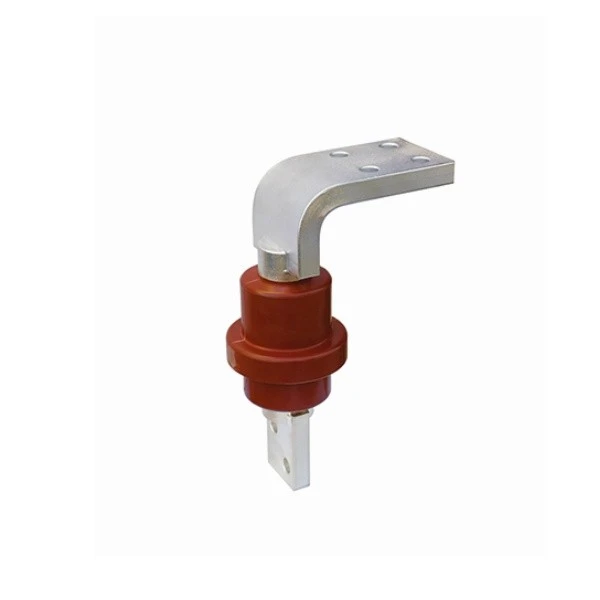
| Terminal Type | Eyebolt connector, Spade terminal (2-hole/4-hole) |
| Gasket | NBR (Buna-N) |
| Mounting Hardware | Stainless steel 304 (nuts, washers, spring washers) |
Key Features
Standards Compliance
All Low Voltage Bushing Transformers are manufactured and tested in accordance with ANSI/IEEE C57.12.20, IEEE Std C57.12.25, IEC 60137, and applicable ASTM standards. Terminal configurations, polarity markings, and dimensional specifications follow the latest revisions of these standards, ensuring seamless replacement and compatibility with existing equipment.
Advanced Material Engineering
Polymer-bodied bushings using epoxy resin and thermoset polyester offer superior UV stability, temperature resistance (up to 140°C), and weatherability compared to traditional porcelain designs. Proprietary composite insulation materials achieve stable performance across a wide temperature range, breaking through the technical bottlenecks of low-temperature embrittlement and high-temperature aging in conventional materials
Zero-Leakage Sealing System
The industry's most persistent challenge-oil leakage caused by thermal cycling-has been addressed through innovative material science and interface treatment technology. Nano-scale surface modification technology improves the bond strength between epoxy resin and metal conductors by 40%, effectively preventing interface separation during thermal expansion and contraction. Full-flow digital inspection systems, including X-ray leak detection and high-voltage testing through 8 rigorous procedures, ensure product quality with a pass rate of 99.6%.
Versatile Termination Options
Available with multiple termination configurations-eyebolt connectors, 2-hole or 4-hole spade terminal pads-to accommodate various cable connection requirements. Terminal openings are sized to accommodate conductor ranges from AWG No. 6 solid up to 350 kcmil stranded copper, depending on the bushing rating
Proven Reliability in Extreme Environments
Low voltage epoxy bushings have demonstrated reliable service in extreme temperature environments-from the frigid conditions of Alaska to the desert heat of Nevada-with nearly 20 years of maintenance-free operation in utility applications. These products have gained recognition from leading global utilities and equipment manufacturers, holding approximately 50% market share in U.S. grid applications
High-Current Capability
Stud-style and clamp-style designs support continuous currents from 208 A up to 1200 A, with terminal configurations available for higher current requirements. For applications requiring aluminum LV bushings, these can be provided when secondary amperage is 3150 A or less.


What is the difference between a porcelain low voltage bushing and a polymer/epoxy low voltage bushing? Which one should I choose?
Porcelain bushings have been the industry standard for decades, offering excellent dielectric strength and proven long-term reliability. However, they are heavier, more fragile during shipping and installation, and more susceptible to vandalism. Polymer/epoxy bushings are lighter, more impact-resistant, offer superior UV and weathering resistance, and provide better sealing performance against oil leakage. For most new distribution transformer applications, polymer/epoxy bushings are increasingly preferred due to their maintenance-free operation and longer service life in harsh environments. The choice ultimately depends on your specific application, environmental conditions, and customer preference.
What is the expected service life of your low voltage bushings, and what maintenance is required?
Our polymer/epoxy low voltage bushings have demonstrated a service life of nearly 20 years in demanding utility applications with virtually no maintenance required. The sealing system is designed to prevent oil leakage over decades of thermal cycling. Routine visual inspection for physical damage or signs of tracking is recommended annually, but no scheduled replacement or re-torquing is necessary under normal operating conditions. For porcelain bushings, similar visual inspection intervals apply, but they may require more careful handling during any maintenance activities.

Why choose Anmei?
10+ years of industry experience
Full range of transformer bushings, oil level indicators, breathers, valves, and terminals
Strong R&D capabilities for custom solutions
Quality-driven with a customer-first approach
Hot Tags: low voltage bushing transformer, China low voltage bushing transformer manufacturers, suppliers, factory, transformer cable bushing