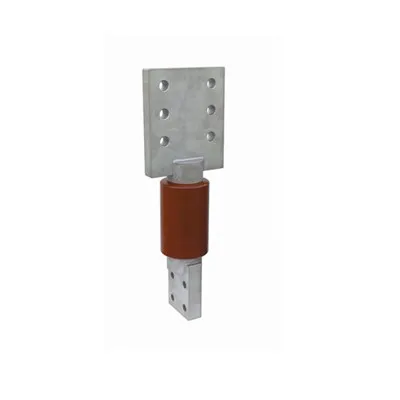
The main function of a transformer bushing is to achieve the electrical connection between the internal windings of the transformer and the external circuit, while providing reliable insulation, mechanical support, and sealing protection. It is one of the most critical components of a transformer, directly affecting the safe and stable operation of the equipment.
Detailed Explanation of Core Functions
Electrical Connection and Current Transmission: As a current-carrying element, the transformer bushing safely leads the leads of the internal high- and low-voltage windings to the outside of the tank and connects them to external power transmission lines. During normal operation, it carries load current for extended periods and must withstand instantaneous high-current surges during faults such as short circuits.
Insulation and Isolation: The bushing is the main insulation barrier between the leads and the grounded transformer tank, ensuring sufficient electrical strength between the high-voltage conductor and ground to prevent breakdown or discharge accidents. Its insulation performance adopts more complex structures as the voltage level increases, such as capacitive designs to uniformly distribute the electric field.
Mechanical Fixing and Support: Providing sufficient mechanical strength, it fixes the position of the leads, resisting conductor tension, wind vibration, seismic forces, and operational stress, preventing poor contact or damage due to loosening.
Environmental sealing ensures complete isolation of the transformer's internal insulating oil system from the external environment, preventing oil leakage and the intrusion of air and moisture, thereby maintaining insulation performance and equipment lifespan. Most bushings are fully sealed, with internal oil circulating independently and unaffected by the atmosphere.