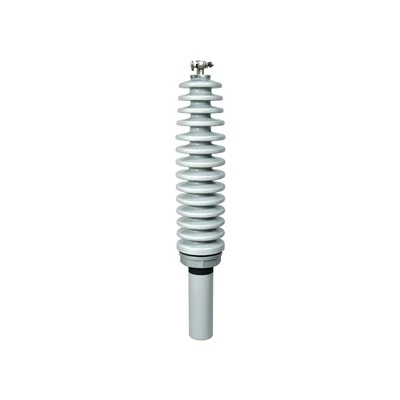
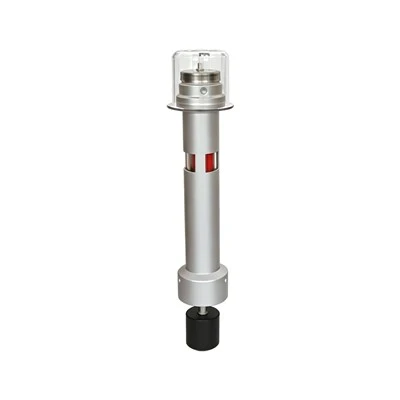
Transformer bushings are critical components that enable energized conductors to pass safely through grounded transformer tanks. Choosing the right bushing type directly impacts equipment reliability, maintenance cycles, and overall system performance. In the power industry, three main material categories dominate the market: porcelain transformer bushing, epoxy transformer bushing, and composite transformer bushing. Each offers distinct advantages depending on voltage levels, environmental conditions, and application scenarios.
Porcelain Transformer Bushing
Porcelain has been the traditional material for transformer bushings for over a century. A porcelain transformer bushing consists of a high-grade alumina ceramic body, oil-impregnated paper or resin-impregnated paper insulation, and metallic flanges. Its rigidity and resistance to surface tracking make it a reliable choice for outdoor substations.

Advantages
- Excellent weather resistance and UV stability
- High mechanical strength under compression
- Proven long-term performance in diverse climates
- Low maintenance requirements
Limitations
- Heavy weight, requiring robust supporting structures
- Brittle nature, susceptible to impact damage or vandalism
- Higher shipping and handling costs
A typical porcelain transformer bushing is still widely specified for EHV (Extra High Voltage) applications where mechanical strength and track resistance are paramount.

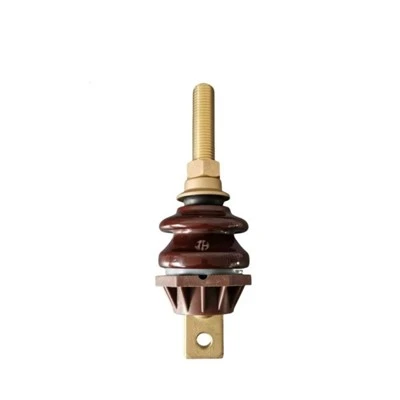
Epoxy Transformer Bushing
The epoxy transformer bushing is a cast-resin design that has gained popularity in medium-voltage and indoor applications. Epoxy resin, filled with silica or alumina, offers excellent dielectric properties and moisture resistance. These bushings are typically manufactured using vacuum casting or injection molding processes.

Advantages
Compact and lightweight design
Excellent anti-tracking and self-extinguishing properties
High resistance to moisture and chemical contamination
Suitable for SF6 gas-insulated or dry-type transformers
Limitations
- Lower UV resistance compared to porcelain (unless specially formulated)
- Higher coefficient of thermal expansion
- Potential for internal voids if manufacturing quality is inconsistent
An epoxy transformer bushing is often the preferred choice for urban distribution networks, underground substations, and offshore platforms where space constraints and pollution levels are critical factors.

Composite Transformer Bushing
The composite transformer bushing represents the latest evolution in bushing technology. It combines a fiberglass-reinforced epoxy tube as the core with silicone rubber or EPDM (ethylene-propylene-diene monomer) sheds on the outer surface. This hybrid construction leverages the mechanical strength of composites and the hydrophobic properties of polymer housing.

Advantages
- Extremely lightweight (up to 70% lighter than porcelain)
- Superior hydrophobic surface prevents water film formation
- Excellent resistance to vandalism, earthquakes, and pollution
- Reduced overall transformer footprint and structural load
- Easy field replacement without special handling equipment
Limitations
- Higher initial material cost
- Long-term aging performance still being validated for some ultra-high-voltage classes
- Sensitivity to installation torque and surface damage
The composite transformer bushing has become the material of choice for new transmission projects, especially in coastal areas, high-altitude regions, and heavily polluted industrial zones.
Comparative Summary
| Feature | Porcelain | Epoxy | Composite |
|---|---|---|---|
| Weight | Heavy | Medium | Light |
| UV Resistance | Excellent | Moderate | Good |
| Impact Resistance | Poor | Good | Excellent |
| Pollution Performance | Good | Good | Excellent |
| Typical Application | EHV outdoor | MV indoor | All voltages, harsh conditions |
| Cost | Medium | Medium-Low | High |
Selection Guidelines
When selecting among the types of transformer bushings, consider the following factors:
- Voltage class – Porcelain and composite are common for high voltage; epoxy excels in medium voltage.
- Environmental conditions – Coastal or polluted areas favor composite; dry inland areas suit porcelain.
- Mechanical loads – Heavy conductor pulls may require porcelain's rigidity or composite's strength.
- Maintenance access – Remote locations benefit from composite's lightweight and vandal resistance.
- Lifecycle cost – While composite has higher upfront cost, reduced maintenance and longer service life often yield lower total cost of ownership.
Whether you need porcelain, epoxy, or composite transformer bushings, we offer reliable solutions for every voltage level and environment. All products are fully tested to IEC standards, with fast delivery and expert technical support.
Click the link below to explore product specifications, download technical datasheets, and submit your inquiry directly: